
There are 2,992 recorded sightings of Sea Otter in Alaska, with 155 observations documented in the past 12 months. Local sightings are most frequently reported in April through July.
When to See Sea Otter in Alaska
Most often reported in April through July.
| Month | Recorded Sightings | Peak Month |
|---|---|---|
| January | 43 | No |
| February | 42 | No |
| March | 100 | No |
| April | 419 | Yes |
| May | 225 | Yes |
| June | 355 | Yes |
| July | 424 | Yes |
| August | 304 | No |
| September | 143 | No |
| October | 147 | No |
| November | 0 | No |
| December | 0 | No |
Compared With Other Regions
Explore how Sea Otter sightings in Alaska compare to other North American hubs:
A chunky marine mammal with dense, dark brown fur, a pale face that whitens with age and a thick, flattened tail. It floats on its back in coastal kelp beds. It lives along the northern Pacific coast from California to Alaska and across to Russia. Watch for it cracking shellfish on its chest with a stone, and look for groups wrapped in kelp to stay anchored while they rest.
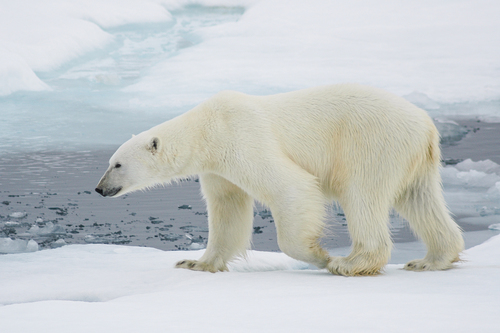
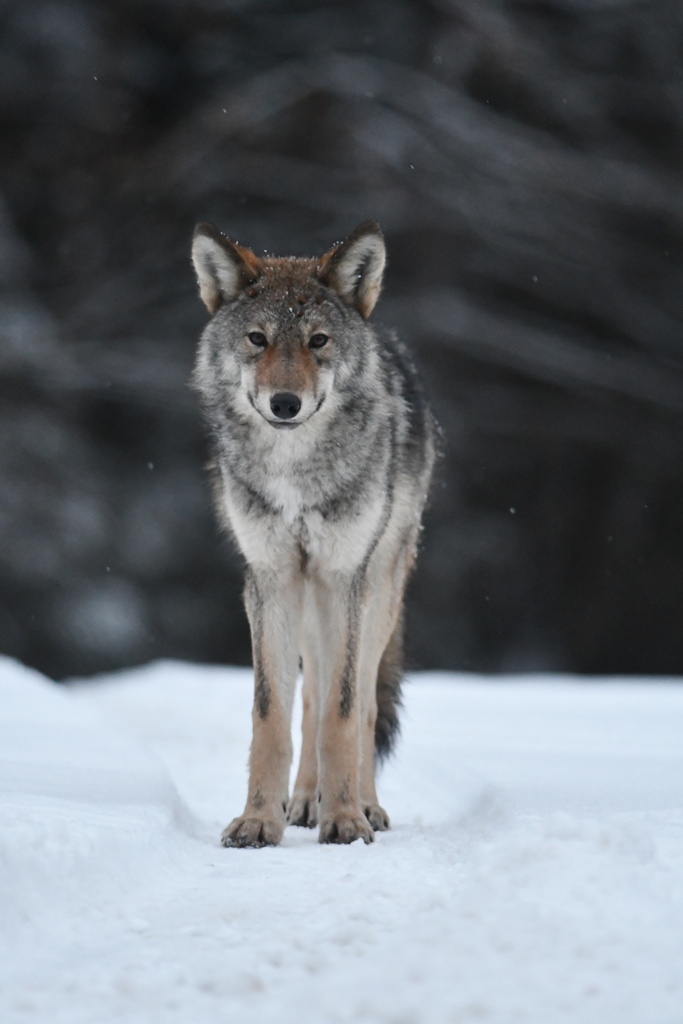
Other Wildlife to Look for in Alaska






Track Sea Otter in Alaska
See where Sea Otter was reported near you — get alerts when wildlife is spotted nearby.
Frequently Asked Questions
When is the best time to see a Sea Otter in Alaska?
Sea Otter is most often reported in Alaska in April through July, based on GBIF records. Reports partly reflect when more people are outdoors, so sightings in other months are possible.
Where can I see a Sea Otter in Alaska?
There are 2,992 documented Sea Otter records in Alaska. Parks, refuges and protected areas with suitable habitat are the best places to start; the charts above show when it's reported most.
How can I find Sea Otter sightings near me in Alaska?
Use the WildMap app on iOS to see recent reports within 100 km from the past 7 days for free (WildMap Pro: 200 km and 30 days), and turn on alerts for sightings near you in Alaska.