
There are 82,457 recorded sightings of Wild Turkey in Florida, with 2,027 observations documented in the past 12 months. Local sightings are most frequently reported in February through May.
When to See Wild Turkey in Florida
Most often reported in February through May.
| Month | Recorded Sightings | Peak Month |
|---|---|---|
| January | 7,611 | No |
| February | 8,514 | Yes |
| March | 13,946 | Yes |
| April | 10,441 | Yes |
| May | 8,054 | Yes |
| June | 5,732 | No |
| July | 0 | No |
| August | 0 | No |
| September | 4,519 | No |
| October | 5,075 | No |
| November | 4,686 | No |
| December | 5,541 | No |
Compared With Other Regions
Explore how Wild Turkey sightings in Florida compare to other North American hubs:
Huge and dark, with iridescent bronze plumage, a bare red and blue head, and a red wattle. Males also carry a hanging beard on the chest and fan out their tails when displaying. It lives in forests and woodland edges of North America, and forages on the ground for acorns, seeds and insects. Flocks roost in trees at night. Look for it at dawn on field edges, and listen for gobbling in spring.
Other Wildlife to Look for in Florida


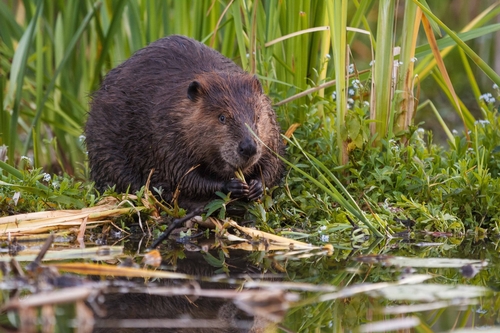

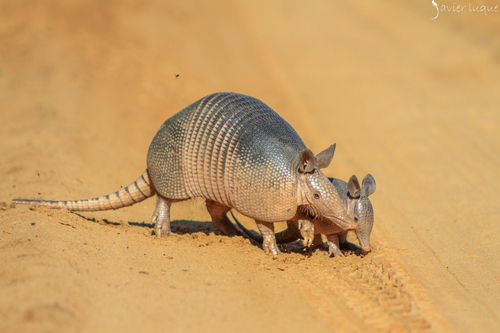
Track Wild Turkey in Florida
See where Wild Turkey was reported near you — get alerts when wildlife is spotted nearby.
Frequently Asked Questions
When is the best time to see a Wild Turkey in Florida?
Wild Turkey is most often reported in Florida in February through May, based on GBIF records. Reports partly reflect when more people are outdoors, so sightings in other months are possible.
Where can I see a Wild Turkey in Florida?
There are 82,457 documented Wild Turkey records in Florida. Parks, refuges and protected areas with suitable habitat are the best places to start; the charts above show when it's reported most.
How can I find Wild Turkey sightings near me in Florida?
Use the WildMap app on iOS to see recent reports within 100 km from the past 7 days for free (WildMap Pro: 200 km and 30 days), and turn on alerts for sightings near you in Florida.