
There are 39,595 recorded sightings of Bald Eagle in Nebraska, with 1,099 observations documented in the past 12 months. Local sightings are most frequently reported in December through March.
When to See Bald Eagle in Nebraska
Most often reported in December through March.
| Month | Recorded Sightings | Peak Month |
|---|---|---|
| January | 4,595 | Yes |
| February | 5,125 | Yes |
| March | 6,826 | Yes |
| April | 4,473 | No |
| May | 3,653 | No |
| June | 1,137 | No |
| July | 0 | No |
| August | 0 | No |
| September | 1,869 | No |
| October | 2,254 | No |
| November | 3,133 | No |
| December | 4,538 | Yes |
Compared With Other Regions
Explore how Bald Eagle sightings in Nebraska compare to other North American hubs:
Dark brown with a white head and tail and a big yellow bill, the adult is unmistakable. Immatures are mottled brown and white. It lives near big lakes, rivers and coasts across North America, from Alaska and Canada to Mexico. It eats fish and carrion and often steals food from other birds. Look in winter along rivers with open water, where many gather, and listen for a thin, chirping call.
Other Wildlife to Look for in Nebraska

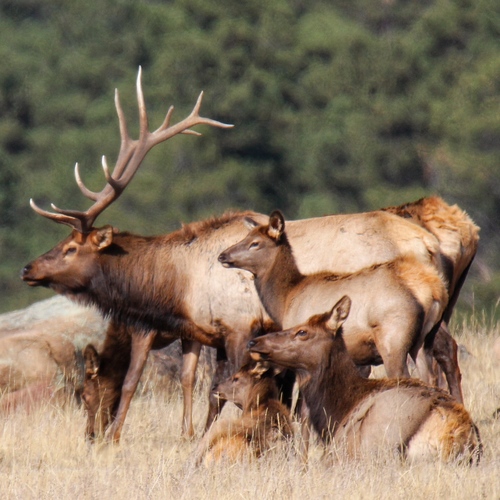


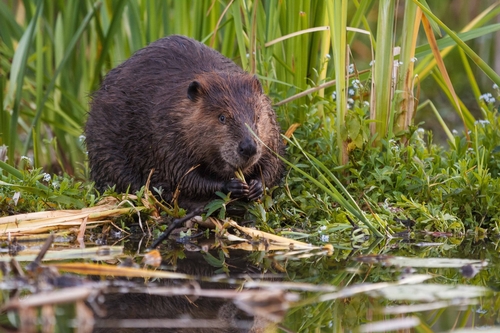
Track Bald Eagle in Nebraska
See where Bald Eagle was reported near you — get alerts when wildlife is spotted nearby.
Frequently Asked Questions
When is the best time to see a Bald Eagle in Nebraska?
Bald Eagle is most often reported in Nebraska in December through March, based on GBIF records. Reports partly reflect when more people are outdoors, so sightings in other months are possible.
Where can I see a Bald Eagle in Nebraska?
There are 39,595 documented Bald Eagle records in Nebraska. Parks, refuges and protected areas with suitable habitat are the best places to start; the charts above show when it's reported most.
How can I find Bald Eagle sightings near me in Nebraska?
Use the WildMap app on iOS to see recent reports within 100 km from the past 7 days for free (WildMap Pro: 200 km and 30 days), and turn on alerts for sightings near you in Nebraska.