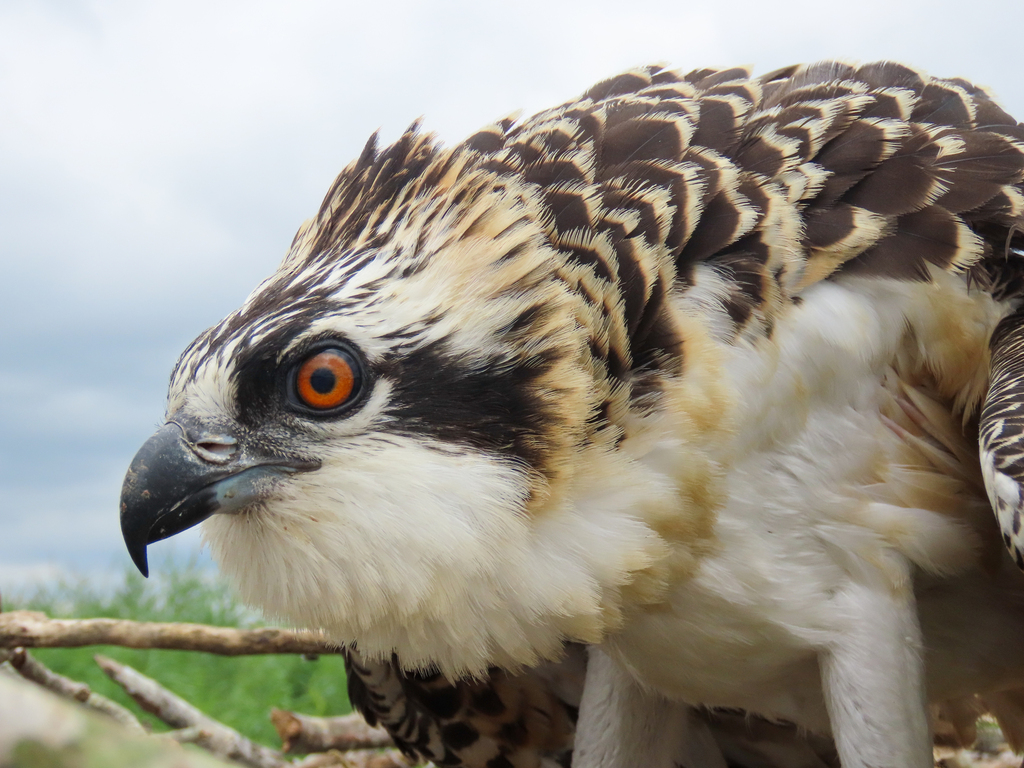
There are 168,116 recorded sightings of Osprey in Washington, with 888 observations documented in the past 12 months. Local sightings are most frequently reported in May through August.
When to See Osprey in Washington
Most often reported in May through August.
| Month | Recorded Sightings | Peak Month |
|---|---|---|
| January | 0 | No |
| February | 90 | No |
| March | 1,366 | No |
| April | 24,910 | No |
| May | 34,823 | Yes |
| June | 27,918 | Yes |
| July | 27,312 | Yes |
| August | 29,603 | Yes |
| September | 19,123 | No |
| October | 2,527 | No |
| November | 289 | No |
| December | 0 | No |
Compared With Other Regions
Explore how Osprey sightings in Washington compare to other North American hubs:
A large fish-eating raptor, dark brown above and white below, with a white head crossed by a dark eye stripe. It hovers, then plunges feet-first into the water to seize fish, carrying its catch head-first. Found on every continent except Antarctica, it nests on tall trees, poles and platforms near water. Watch lakes, rivers and coasts, especially from spring to fall, and look for the bent wing silhouette in flight.
Other Wildlife to Look for in Washington




Track Osprey in Washington
See where Osprey was reported near you — get alerts when wildlife is spotted nearby.
Frequently Asked Questions
When is the best time to see a Osprey in Washington?
Osprey is most often reported in Washington in May through August, based on GBIF records. Reports partly reflect when more people are outdoors, so sightings in other months are possible.
Where can I see a Osprey in Washington?
There are 168,116 documented Osprey records in Washington. Parks, refuges and protected areas with suitable habitat are the best places to start; the charts above show when it's reported most.
How can I find Osprey sightings near me in Washington?
Use the WildMap app on iOS to see recent reports within 100 km from the past 7 days for free (WildMap Pro: 200 km and 30 days), and turn on alerts for sightings near you in Washington.