
There are 202 recorded sightings of Mule Deer in Yukon, with 32 observations documented in the past 12 months. Local sightings are most frequently reported in April through July.
When to See Mule Deer in Yukon
Most often reported in April through July.
| Month | Recorded Sightings | Peak Month |
|---|---|---|
| January | 22 | No |
| February | 0 | No |
| March | 12 | No |
| April | 21 | Yes |
| May | 36 | Yes |
| June | 15 | Yes |
| July | 23 | Yes |
| August | 12 | No |
| September | 17 | No |
| October | 15 | No |
| November | 11 | No |
| December | 0 | No |
Compared With Other Regions
Explore how Mule Deer sightings in Yukon compare to other North American hubs:
Named for its large, mule-like ears, this deer has branched antlers that fork evenly, a narrow white tail with a black tip and a pale rump patch. It lives across western North America, from desert scrub to mountain forest, browsing shrubs and forbs. It bounds away with a stiff-legged gait; scan open slopes and meadow edges at dawn and dusk, when deer feed and move to cover.
Other Wildlife to Look for in Yukon


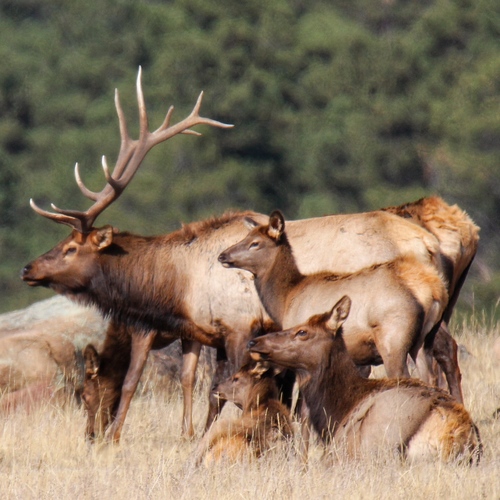


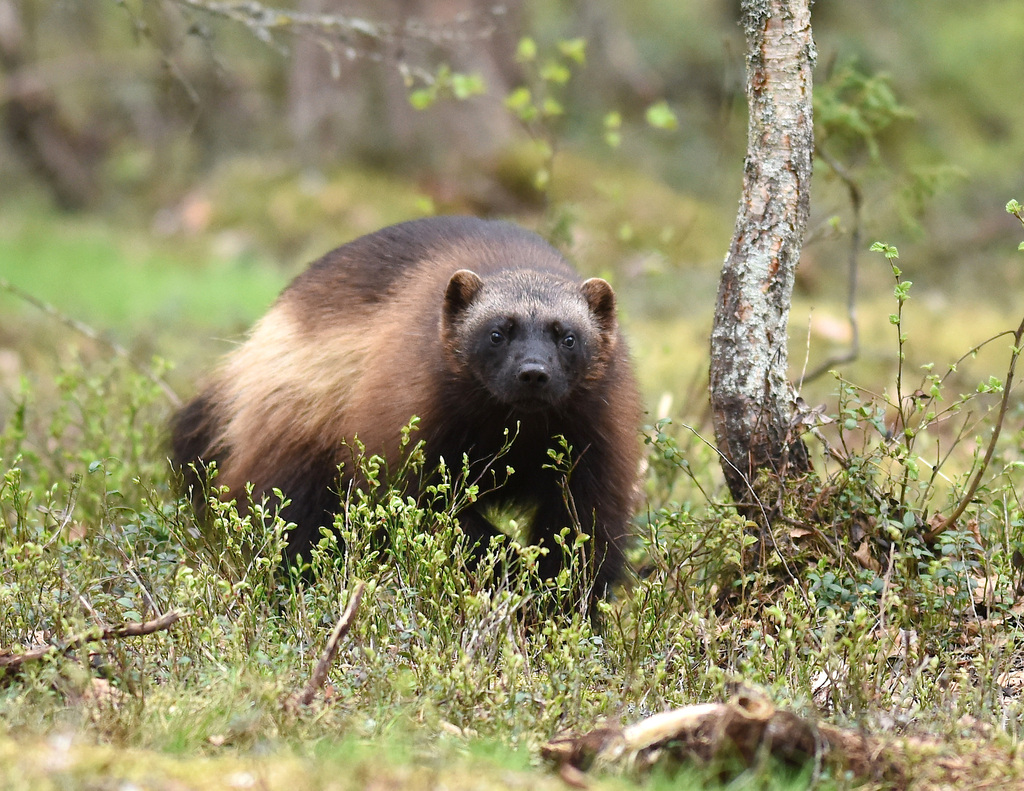
Track Mule Deer in Yukon
See where Mule Deer was reported near you — get alerts when wildlife is spotted nearby.
Frequently Asked Questions
When is the best time to see a Mule Deer in Yukon?
Mule Deer is most often reported in Yukon in April through July, based on GBIF records. Reports partly reflect when more people are outdoors, so sightings in other months are possible.
Where can I see a Mule Deer in Yukon?
There are 202 documented Mule Deer records in Yukon. Parks, refuges and protected areas with suitable habitat are the best places to start; the charts above show when it's reported most.
How can I find Mule Deer sightings near me in Yukon?
Use the WildMap app on iOS to see recent reports within 100 km from the past 7 days for free (WildMap Pro: 200 km and 30 days), and turn on alerts for sightings near you in Yukon.