
Pale Chub (Zacco platypus) has 187,722 GBIF records worldwide, most from South Korea, Japan and Taiwan, peaking June through September.
Where It's Recorded
Top countries by GBIF observation records worldwide
- 1. South Korea →176,405 records
- 2. Japan →8,915 records
- 3. Taiwan →535 records
- 4. China →357 records
- 5. Hong Kong SAR China6 records
- 6. Vietnam →5 records
- 7. North Korea2 records
- 8. Namibia →2 records
- 9. United Kingdom →1 records
When it's recorded
Most often reported in June through September.
| Month | Recorded Sightings | Peak Month |
|---|---|---|
| January | 1,357 | No |
| February | 394 | No |
| March | 1,753 | No |
| April | 8,754 | No |
| May | 20,379 | No |
| June | 39,106 | Yes |
| July | 10,188 | Yes |
| August | 13,778 | Yes |
| September | 23,330 | Yes |
| October | 4,649 | No |
| November | 5,813 | No |
| December | 507 | No |
A silvery minnow with a blunt head and vertical bluish bars along the flanks, the pale chub is especially colorful in breeding males. It lives in clear, gravel-bottomed rivers and streams across Korea, Japan, Taiwan and southeast China, feeding on insects and algae. Look in shallow riffles and pools in warm months, where schools hold in the current and rise to flies.
Track Pale Chub on iPhone
Download the WildMap app to see recent sightings within 100 km (200 km with Pro), get alerts when wildlife is spotted nearby, and log sightings to your life list.
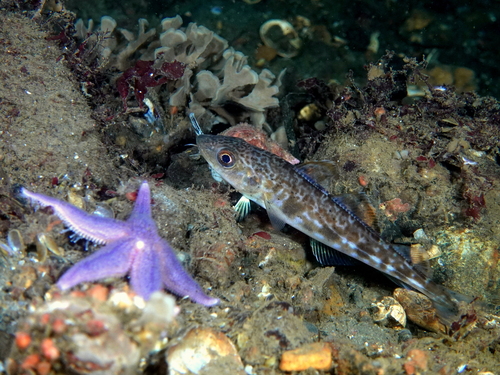
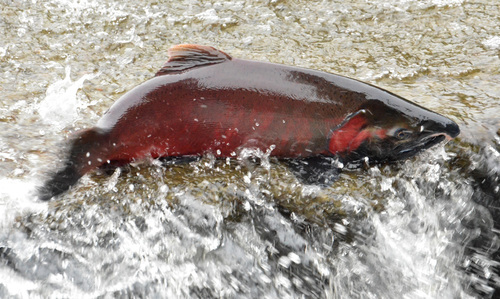
Similar Species to Spot


Related Field Guides & Apps
Frequently Asked Questions
Where is Pale Chub found?
Pale Chub records on GBIF are most heavily concentrated in South Korea, Japan and Taiwan. In total, 187,722 records have been documented worldwide.
When is Pale Chub most often seen?
Pale Chub is most often recorded in June through September, based on GBIF records worldwide. Records partly reflect when more people are outdoors, so it can be seen in other months too.
Can I track Pale Chub with WildMap?
WildMap scans recent iNaturalist and eBird reports around you or a place you search. A free scan covers 100 km and the past 7 days (WildMap Pro: 200 km and 30 days), so you can see whether Pale Chub has been reported nearby.